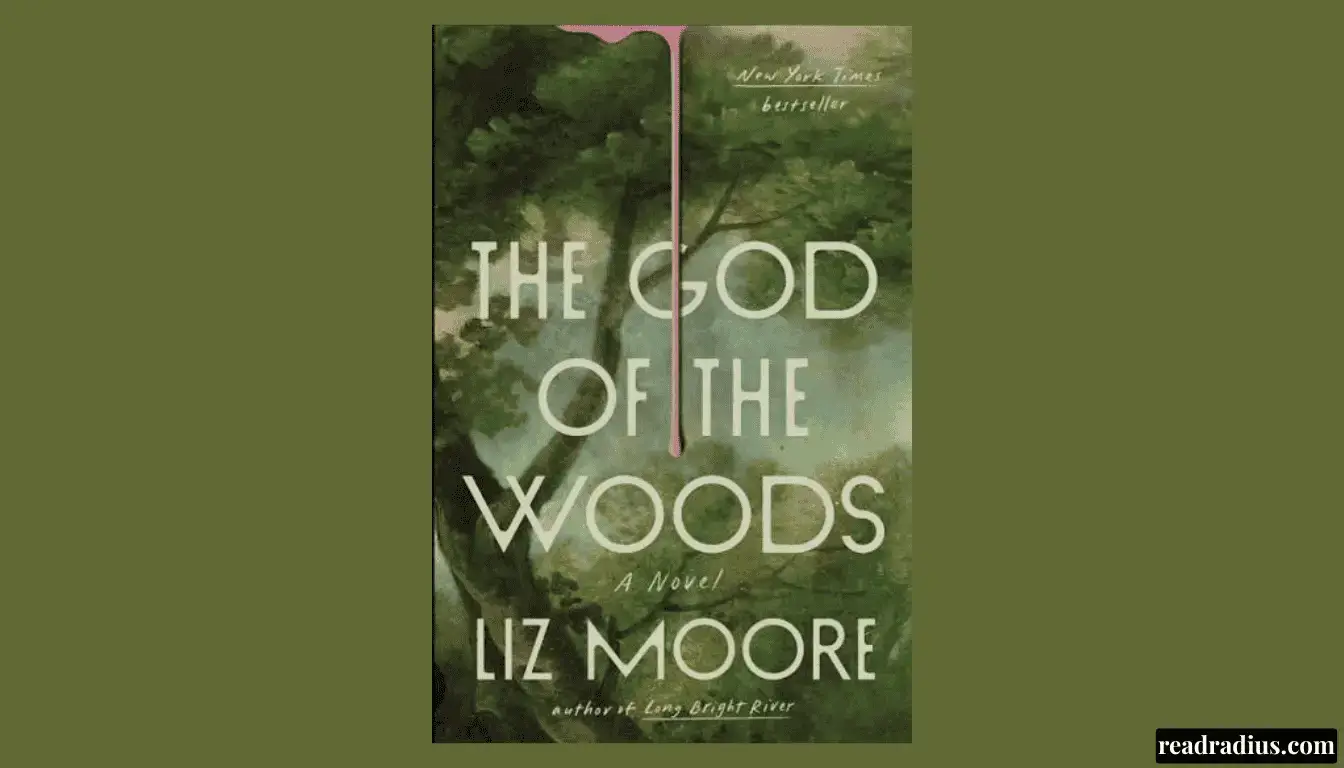
There’s a particular kind of book that makes a reader cancel plans, and The God of the Woods is one of them. It arrived on shelves in the summer of 2024 already trailing bestseller buzz, and after spending a rainy weekend completely absorbed in its Adirondack woods, it’s easy to see why. This review digs into what the story is actually about, how it holds up against the hype, and everything a new reader might want to know before picking it up from age suitability to book club talking points.
The God of the Woods Book Review
The God of the Woods is a layered mystery set at a summer camp in New York’s Adirondack Mountains, told across two timelines. In 1975, a teenage camper named Barbara Van Laar vanishes from her bunk in the middle of the night. Fourteen years earlier, in 1961, Barbara’s older brother disappeared from the same woods and was never found. The novel moves between these two disappearances, slowly pulling together a cast that includes camp counselors, local investigators, and the wealthy, tightly controlled Van Laar family who owns both the camp and most of the town’s livelihood.
What makes the book work isn’t a single twist or a fast-paced chase. It’s the patient way the author builds out each character’s private world before letting their paths cross. Readers get close to Louise, the young counselor who first realizes Barbara is missing, and to Judyta, a detective quietly fighting to be taken seriously in a mostly male department. Every perspective adds a piece to the larger puzzle, and the wealth-versus-working-class tension running underneath the mystery gives the story a weight that lingers well after the last page.
A Personal Take
Going in, the class divide between the Van Laars and the townspeople felt like it might be a minor backdrop detail it turned out to be one of the most compelling threads in the whole book. Watching how much power one family holds over an entire community, simply because they own the land everyone depends on, adds a layer of real-world unease to the fictional mystery. The pacing is also worth mentioning honestly: this is a slow burn, not a thriller in the page-turning, breathless sense some marketing copy suggests. Readers expecting nonstop tension may need to adjust expectations, but those who enjoy character-driven literary fiction with a mystery at its core will likely find the patience pays off.
The God of the Woods Reviews: What Other Readers Are Saying
Reader reactions to the book are largely positive, and several themes come up again and again. Many readers compare it favorably to Donna Tartt’s The Secret History, pointing to the similar blend of atmosphere, privilege, and slowly unraveling secrets. Praise tends to focus on the strength of the multiple points of view and how satisfying it feels when the separate storylines finally connect.
Not every reaction is glowing, though. A smaller group of readers has noted that with eight perspectives and several time jumps, it can take a while to feel invested in any one character. Some also felt the ending, while well-earned, wrapped up a little too neatly for a story built on so much ambiguity. Both critiques are fair, and worth keeping in mind for readers who prefer a tighter cast or a faster hook.
The God of the Woods Age Rating
This is an adult literary thriller, not a young adult title, and it’s best suited for readers aged 16 and up, though many recommend 18+ given the mature themes involved. The novel includes descriptions of violence, references to alcohol misuse, and emotionally heavy subject matter surrounding grief and missing children. Parents or younger readers looking for a lighter mystery may want to look elsewhere; this one is written with an adult audience in mind.
The God of the Woods Trigger Warnings
Because the plot centers on missing children and family trauma, sensitive readers should know what they’re walking into. The book touches on child disappearance, death, grief, alcohol abuse, domestic tension, and class-based exploitation. There are also scenes depicting physical danger to minors, which some readers may find difficult. None of this content feels gratuitous it serves the story but it’s worth going in prepared, especially for anyone who finds stories about missing children particularly hard to read.
God of the Woods Book Club Questions
This novel is an excellent choice for book clubs, since it raises questions that spark real discussion rather than simple yes-or-no answers. A few worth bringing to the table:
- How does the power imbalance between the Van Laar family and the townspeople shape the events of the story?
- Which perspective did you find most compelling, and why?
- Did the multiple timelines help or hinder your understanding of the mystery?
- How does the setting an isolated summer camp in the woods affect the tone of the book?
- Were you satisfied with how the mystery was resolved, or did it feel too tidy?
- What does the novel suggest about how wealth can shield people from consequences?
Other Books by the Author of The God of the Woods
Liz Moore has built a strong body of work beyond this novel, and readers who loved it have plenty to explore next. Long Bright River, her previous bestseller, follows two sisters on opposite sides of the opioid crisis in Philadelphia and shares the same emotional depth and careful pacing. The Unseen World explores a father-daughter relationship tangled up in questions of memory and artificial intelligence, while Heft, her earlier novel, is a quieter, character-driven story about isolation and unlikely connection. Readers drawn to The God of the Woods for its atmosphere and slow-building tension will likely find a lot to appreciate across her earlier catalog.
Final Verdict
The God of the Woods earns its bestseller status through patient, layered storytelling rather than shock value. It rewards readers willing to sit with multiple perspectives and a slower pace, and it delivers real emotional payoff by the end. It’s not a fast thriller, but as a piece of literary suspense fiction, it’s hard to put down once the different threads start pulling together. Fans of atmospheric, character-rich mysteries or anyone building out a broader reading list in the genre, like this Historical Fiction Books: A Reader’s Ultimate Guide will find this one well worth the time.





Leave a Reply