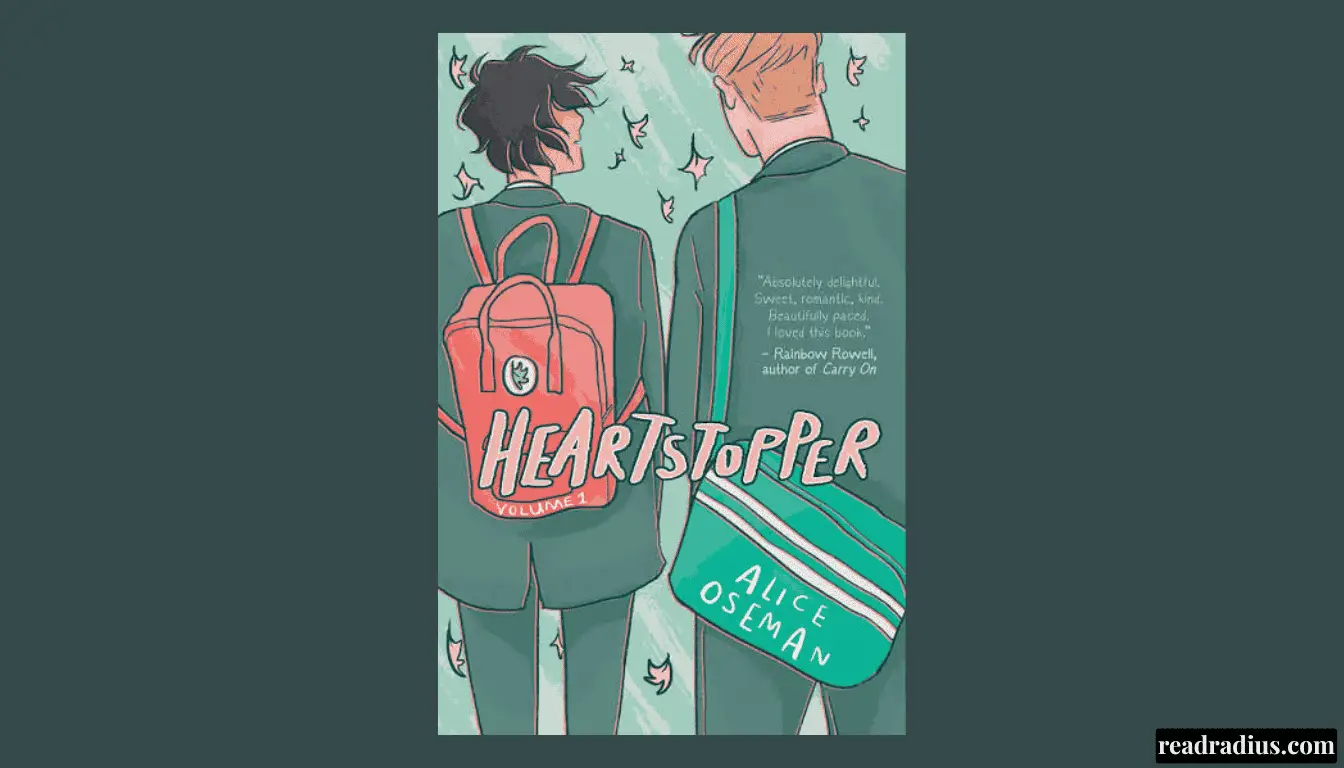
Some books are entertaining, while others become comfort reads that stay with us long after we finish them. Heartstopper by Alice Oseman manages to do both. This popular young adult (YA) graphic novel series combines cute romance, meaningful friendships, and a heartfelt coming-of-age story about identity, sexuality, and self-acceptance.
What makes Heartstopper special is its ability to balance a sweet teenage romance with difficult topics such as bullying, homophobia, and the challenges of understanding yourself. Its relatable characters and positive message make it more than just a cute story about two boys falling in love. It is also a story about belonging, emotional support, and learning to be yourself.
Whether you are discovering the graphic novels for the first time, rereading the volumes, or comparing the books with the Netflix adaptation, Heartstopper offers plenty to appreciate.
What Is Heartstopper About?
Written and illustrated by Alice Oseman, Heartstopper follows Charlie Spring and Nick Nelson, two teenagers attending the same British secondary school. Charlie is an openly gay student who has experienced bullying, while Nick is a friendly, outgoing rugby player who is still exploring his sexuality.
When the two boys become friends, their connection gradually develops into a romantic relationship. Their relationship development is one of the most engaging aspects of the story because it unfolds through everyday conversations, shared experiences, and small gestures of affection.
Across the graphic novel series, readers follow Nick and Charlie as they navigate teenage identity, friendship, self-discovery, and the pressures of school life. Their emotional journey also involves learning to communicate, supporting one another through personal challenges, and understanding that everyone develops at their own pace.
You can explore the official synopsis and book details on Alice Oseman’s website.
Charlie and Nick: The Heart of the Story
Charlie and Nick are the main characters who make Heartstopper so engaging. Their personalities complement each other, creating a relationship that feels affectionate, supportive, and believable within the story.
Charlie is thoughtful, sensitive, and caring. His experiences with bullying and social pressures affect his confidence and relationships. His character development involves learning to recognise his worth and accept support from people who care about him.
Nick, meanwhile, is outgoing, friendly, and athletic. His character arc focuses on understanding his sexuality and navigating the process of self-discovery. His journey highlights the importance of giving people time and space to understand their identities without imposing expectations on them.
I particularly appreciate how their romantic chemistry develops alongside their friendship. Their relationship is not built entirely around dramatic declarations of love; it also grows through kindness, trust, and everyday interactions.
The supporting characters add another layer to the narrative. Tao, Elle, Tara, and Darcy contribute different friendship dynamics and perspectives on identity, belonging, and acceptance. Their personalities help create a wider social environment in which the characters can explore relationships and face personal challenges.
School Life, Bullying, and LGBTQ+ Representation
One of the most meaningful aspects of Heartstopper is its portrayal of school life. The school environment influences the characters’ friendships, confidence, and experiences of acceptance. Social hierarchies, peer relationships, and expectations about masculinity can shape how teenagers interact with one another.
Charlie’s experiences demonstrate how bullying and homophobia can affect a student’s emotional well-being. At the same time, the story highlights the difference that supportive friendships and understanding relationships can make.
The series explores LGBTQ+ representation through characters with different identities and experiences. Nick’s sexuality exploration and Charlie’s experiences as a gay teenager demonstrate that coming out and self-discovery are personal journeys rather than identical experiences for everyone.
Oseman’s storytelling encourages empathy and compassion without making every character’s experience the same. The narrative recognises that social acceptance can be complicated, particularly when teenagers are navigating friendships, family expectations, and school culture.
Readers who enjoy graphic novels exploring similar themes may also appreciate Homebody by Theo Parish, which explores gender identity and self-discovery, and Weirdo by Tony Weaver Jr., which explores bullying, belonging, and embracing individuality. Both offer additional perspectives on identity and personal growth.
Alice Oseman’s Writing Style and Character Development
Alice Oseman’s writing is accessible, conversational, and emotionally engaging. The dialogue feels natural, while the graphic novel format allows facial expressions, body language, and visual storytelling to communicate feelings that the characters cannot always express in words.
The pacing also contributes to the reading experience. Relationship development happens gradually, allowing readers to become emotionally invested in Nick and Charlie’s story. Their character journeys feel connected to the smaller moments of teenage life rather than depending entirely on major dramatic events.
Another strength is the balance between romance and friendship. Although Nick and Charlie’s relationship is central, their individual identities and friendships remain important. This creates a more rounded portrayal of adolescence and personal growth.
Some readers may find the narrative idealised or prefer more complex plots. Nevertheless, the simplicity of the storytelling helps make the series accessible to readers who enjoy contemporary romance, YA literature, and character-driven coming-of-age stories.
For more information about the author and her other work, visit Alice Oseman’s official website.
Heartstopper Graphic Novels vs. the Netflix Show
The Netflix adaptation introduces Heartstopper to viewers who may never have picked up the original graphic novels. Both formats focus on Nick and Charlie’s relationship, LGBTQ+ representation, friendship, and teenage experiences.
The graphic novels offer an intimate reading experience, with illustrations that capture small emotional moments. Readers can move through the story at their own pace and appreciate the artwork and character interactions.
The television adaptation uses performances, music, movement, and additional screen time to bring the characters and their social environment to life. It also expands certain storylines and supporting-character experiences, making the viewing experience distinct from reading the books.
One interesting aspect of comparing the two formats is seeing how the same heartfelt story can create an emotional connection through different storytelling techniques. The graphic novels have the intimacy of Alice Oseman’s original artwork, while the Netflix show offers another way to appreciate the characters’ personalities and relationship development.
You can find the television adaptation on the official Heartstopper page on Netflix.
What Makes Heartstopper Worth Reading?
The biggest strength of Heartstopper is its combination of cute romance, authentic emotional themes, and positive representation. The series explores difficult subjects while giving friendship, compassion, and personal growth an important place in the narrative.
Its relatable characters make it easy for readers to become invested in their journeys. The story also reminds us that acceptance starts with understanding ourselves and respecting the experiences of others.
Although some situations feel idealised, the emotional message remains meaningful. Readers looking for complicated mysteries or fast-paced action may prefer another genre, but those seeking a heartfelt comfort read will likely appreciate its gentle approach.
Final Verdict: Is Heartstopper Worth Reading?
Overall, Heartstopper by Alice Oseman is a memorable young adult graphic novel series about love, friendship, identity, and belonging. Its character development, engaging artwork, realistic emotional challenges, and LGBTQ+ representation make it an appealing choice for readers interested in contemporary romance and coming-of-age fiction.
I would recommend the series to anyone who enjoys character-focused storytelling, relatable teenage experiences, and a positive message about self-acceptance. The Netflix adaptation provides another way to enjoy Nick and Charlie’s journey, while the graphic novels offer the original illustrated experience.
Final rating: 9/10.
If you are looking for a cute romance with meaningful themes, engaging characters, and a heartfelt message about being yourself, Heartstopper deserves a place on your reading list. It celebrates the importance of kindness, understanding, and finding people who accept you for who you are.




Leave a Reply