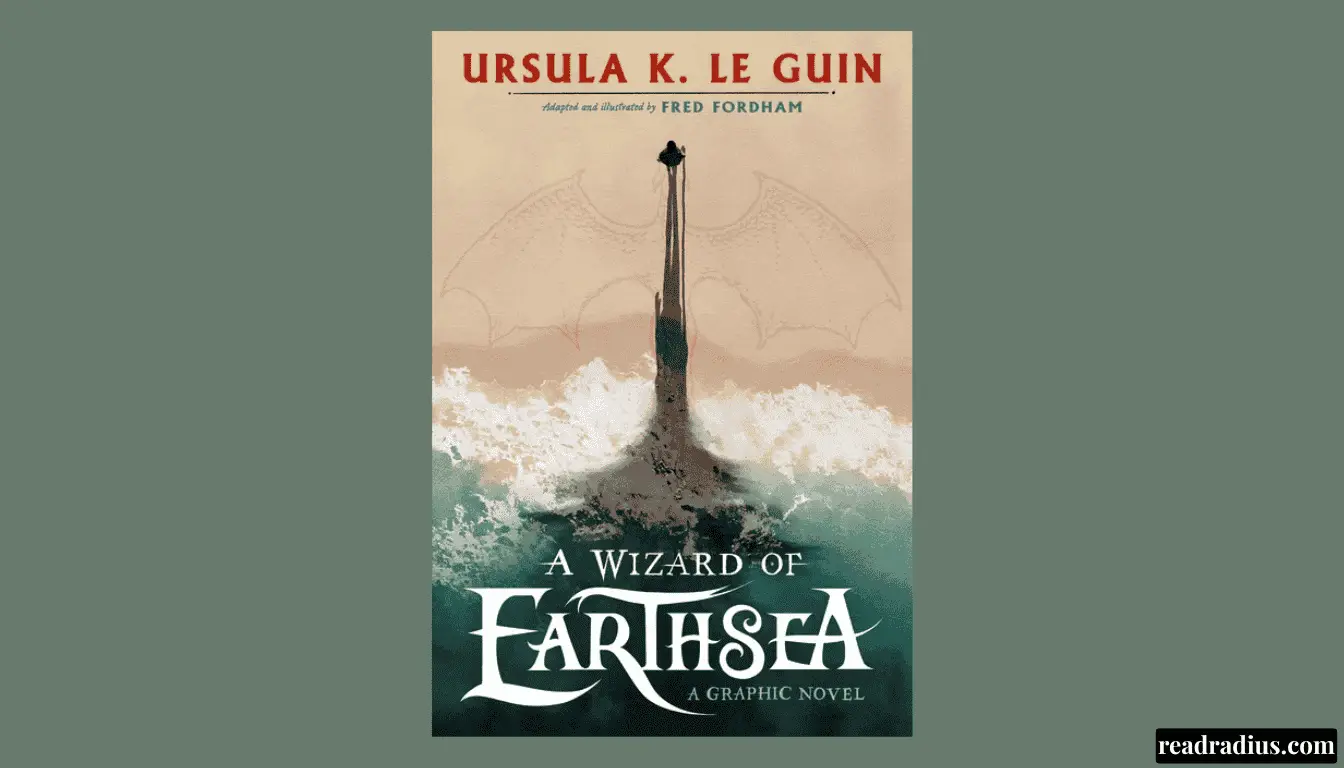
Ursula K. Le Guin’s A Wizard of Earthsea has been sitting on fantasy shelves since 1968, and it still earns its spot there. This a wizard of earthsea review looks at the story itself, how it compares to the rest of the series, and the practical details readers usually search for before picking it up things like length, reading level, and whether it’s actually worth the time in 2026’s crowded fantasy market.
Anyone who grew up on Harry Potter or has since moved on to grimdark epics might wonder if a book this old can still hold attention. It can, and the reasons why are worth digging into.
What Earthsea Book 1 Is Actually About
The story follows Ged, a proud young goatherd turned wizard, who unleashes a nameless shadow-creature while showing off his power. The rest of the book is spent tracking that shadow across the islands of the Earthsea archipelago, and slowly learning that real magic is less about spells and more about balance, humility, and knowing the true names of things.
It’s a coming-of-age story dressed up as a fantasy adventure, and that’s part of why it reads so differently from a lot of modern YA fantasy. There’s no love triangle, no chosen-one prophecy handed to Ged on a plate he earns every lesson the hard way, usually by making things worse first.
Earthsea Book 1 Review: Strengths and Weaknesses
This earthsea book 1 review section breaks down what works and what might not, based on both the book’s reputation and a close reading of the text itself.
What Works
- The prose. Le Guin writes with a folk-tale rhythm that feels timeless rather than dated. Sentences carry weight without being overwritten.
- The magic system. Names have power in Earthsea, and that single idea shapes everything from the plot to the book’s quiet themes about identity and self-control.
- The pacing. At under 200 pages, nothing overstays its welcome. Every chapter moves the story or the character forward.
What Might Not Land for Everyone
- Readers used to fast, dialogue-heavy fantasy may find the narration slower and more descriptive than they expect.
- Ged isn’t always likable in the early chapters his arrogance is the point, but it can be a rough start for some readers.
- Some plot threads (like Ged’s friendship with Vetch) get less page time than modern readers might want.
None of these are flaws so much as stylistic choices from a different fantasy era, and most readers find the trade-off worth it once the shadow-chase begins in earnest.
How Many Pages Is A Wizard of Earthsea
For anyone wondering how many pages is a wizard of earthsea, the answer depends on the edition. The standard paperback runs around 183 to 205 pages, depending on the publisher and font size. Audiobook listeners are looking at roughly 6 hours of runtime. It’s a short read compared to most modern fantasy doorstoppers, which makes it a solid pick for a weekend or a single long flight.
A Wizard of Earthsea Book Age Rating
Parents and teachers often ask about the a wizard of earthsea book age rating before handing it to younger readers. It’s generally considered appropriate for ages 10 and up, sometimes listed as a middle-grade or early YA title. There’s no graphic violence or mature content the darkest moments are more psychological and atmospheric than explicit. That said, younger or more sensitive readers might find the shadow-creature genuinely unsettling, since Le Guin builds dread through implication rather than gore.
Earthsea Books Summary: Where the Series Goes From Here
This earthsea books summary covers the shape of the wider series for anyone deciding whether to continue past book one:
- A Wizard of Earthsea – Ged’s origin story and his first confrontation with the shadow he created.
- The Tombs of Atuan – A shift in perspective to Tenar, a young priestess, with Ged appearing as a supporting character.
- The Farthest Shore – Ged, now Archmage, mentors a young prince while facing a threat to magic itself.
- Tehanu and later books – A tonal shift toward more mature, reflective storytelling written decades after the original trilogy.
Readers don’t need to finish the whole series to appreciate book one, but the payoff for sticking with it is real, especially in how Le Guin reworks her own ideas about power and gender in the later installments.
“Readers who enjoy Earthsea’s coming-of-age themes might also like YA Graphic Novels: The Ultimate Guide to the Best Graphic Novel Books for Teens and Adults.”
Final Verdict: Earthsea Book Review
Wrapping up this earthsea book review, A Wizard of Earthsea earns its status as a genre classic. It’s short, thoughtful, and quietly ambitious in ways that plenty of longer fantasy series never manage. It won’t suit readers chasing constant action, but for anyone who wants a fantasy novel that treats magic as a moral question rather than a special effect, it’s hard to beat.
Having reread it more than once over the years, what stands out most on repeat visits isn’t the plot it’s how much Le Guin trusts the reader to sit with silence, patience, and consequence. That’s rare, and it’s part of why the book still gets recommended by teachers, librarians, and fantasy fans decades after release.





Leave a Reply