I still remember the first time a graphic novel made me miss my bus stop. I was reading on a cramped commute, half paying attention, when the panels on the page pulled me in so completely that I looked up three stops too late. That is the strange magic of this format. It reads fast, but it lingers slow. And once someone finds their way into it, they rarely go back to reading exclusively prose.
Since then, working through this genre has felt less like a reading list and more like an ongoing habit, the kind where a good bookstore visit turns into an accidental hour spent sitting cross-legged in an aisle. That habit is what shaped this guide. Nothing here was chosen because it topped a bestseller chart for a single week. Every title earned its place because it still holds up on a second or third read, long after the initial buzz faded.
This guide pulls together everything a curious reader, a parent, a teacher, or a librarian needs to know about the world of YA graphic novels. It covers where to start, which classic YA books have been turned into graphic novels, and where the genre overlaps with graphic novel books for adults.
What Makes a Graphic Novel “YA,” Anyway?
Young adult graphic novels are not simply “comics for kids who grew up.” They are a distinct storytelling form that pairs sequential art with the emotional weight of adolescence: identity, first heartbreak, family upheaval, grief, friendship, and the slow work of figuring out who a person wants to become. The best ones do not talk down to their readers. They trust teenagers with real feelings and real consequences, and they use the visual language of comics panel pacing, color, expression, silence to say things prose alone cannot.
Publishers generally aim these books at readers aged 12 to 18, though plenty of adults read them too, and that crossover appeal is part of why the category has exploded over the last decade.
Good Books for YA Readers: Why Graphic Novels Deserve a Spot on Every List
When people ask for good books for YA readers, the conversation almost always defaults to prose novels. That is a mistake. Graphic novels belong in the same conversation as any acclaimed YA prose title, and in many cases they do things prose cannot. A single wordless page can convey a wave of grief or a rush of joy faster than three paragraphs of description ever could.
They are also quietly excellent for reluctant readers. A teenager who feels intimidated by a 400-page novel can finish a 200-page graphic novel in an evening and come away having absorbed just as much character development, theme, and craft. Teachers and librarians increasingly recommend them for exactly this reason not as a lesser substitute for “real” reading, but as a legitimate and often more emotionally direct entry point into literature.
YA Books Turned Into Graphic Novels: The Best Adaptations Worth Reading
One of the most interesting trends in publishing over the past few years has been the rise of YA books turned into graphic novels. Rather than simply reissuing a cover, publishers are commissioning full visual adaptations of beloved prose titles, often with a different illustrator bringing their own interpretation to the story. Here are some of the standout examples.
Speak: The Graphic Novel
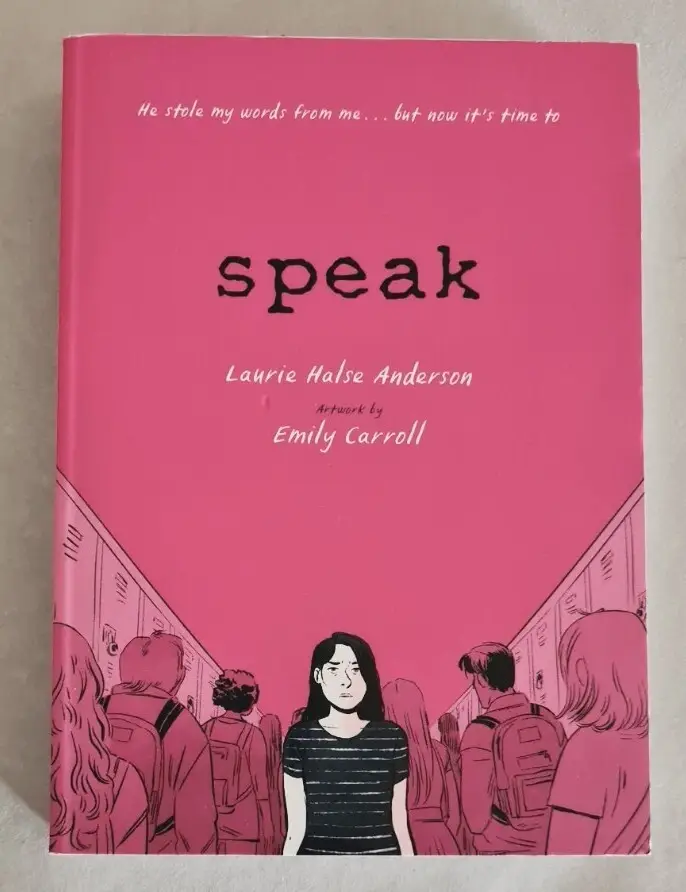
Laurie Halse Anderson’s landmark novel about a teenager processing trauma after an assault gets a haunting visual treatment from illustrator Emily Carroll. The stark black, white, and red palette makes the protagonist’s silence feel almost physical on the page.
To All the Boys I’ve Loved Before: The Graphic Novel
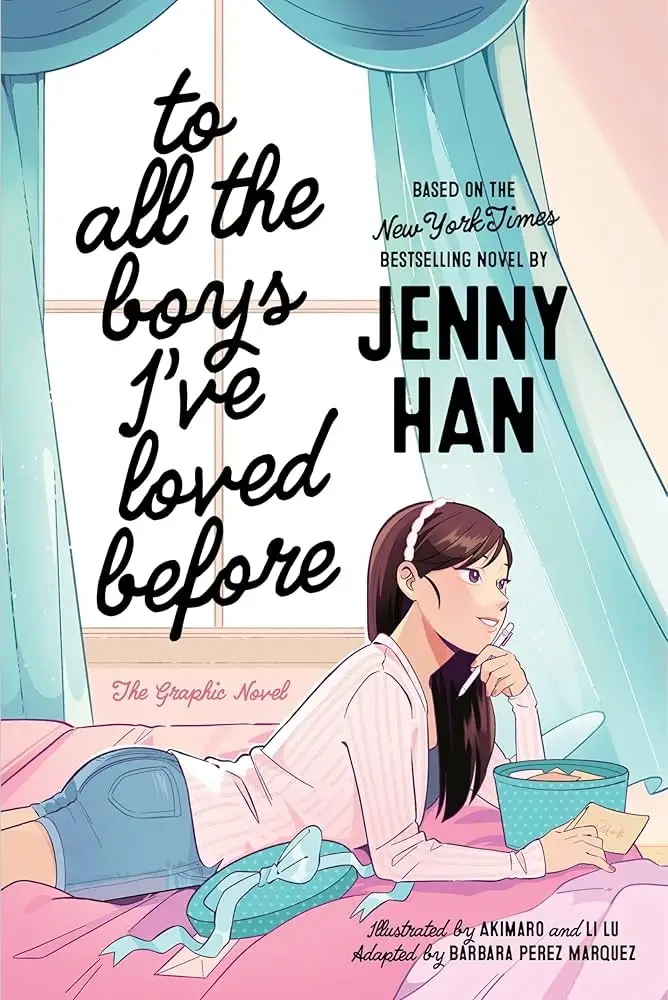
Jenny Han’s beloved romance, about a girl whose secret love letters get mailed out by accident, translates beautifully into comic form, with warm colors and expressive art that capture the story’s cozy, swoony tone.
Long Way Down: The Graphic Novel
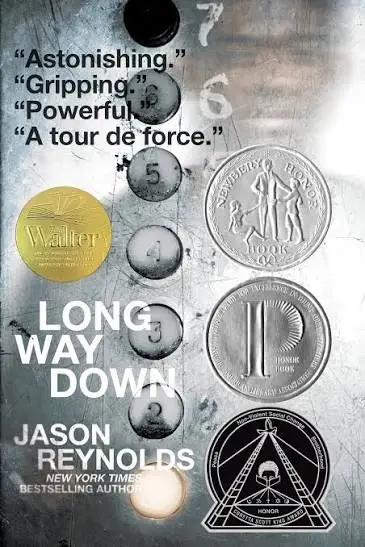
Jason Reynolds’ award-winning novel-in-verse, which unfolds entirely during a single elevator ride, becomes even more claustrophobic and haunting when illustrated by Danica Novgorodoff. It is a masterclass in how visual pacing can heighten tension.
A Wizard of Earthsea: A Graphic Novel
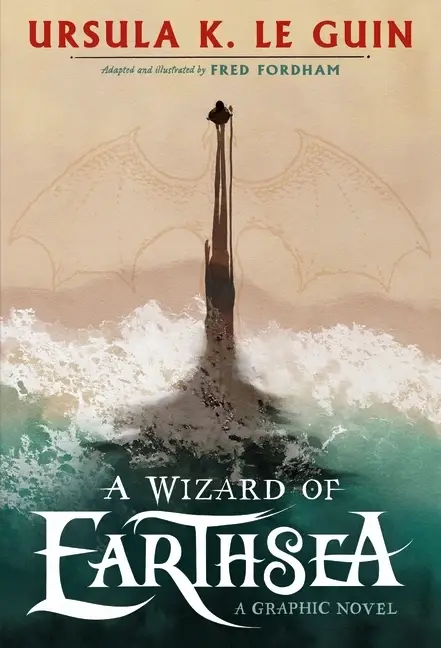
Ursula K. Le Guin’s foundational fantasy novel was adapted by illustrator Fred Fordham, bringing the windswept islands of Earthsea and the young sorcerer Ged’s costly mistake to vivid life for a new generation of readers.
The Baby-Sitters Club
graphic novel series Ann M. Martin’s original prose series has been reimagined by Raina Telgemeier and later Gale Galligan, and it remains one of the most successful graphic novel adaptations of all time, introducing an entirely new generation to Kristy, Claudia, Mary Anne, and the rest of the club.
Adaptations like these are worth seeking out even for readers who already loved the original novel, because a skilled illustrator does not just decorate the story. They interpret it.
YA Graphic Novels for Beginners: Where to Actually Start
Anyone searching for ya books for beginners in this genre often gets overwhelmed by choice. The trick is to start with something short, visually clean, and emotionally accessible rather than jumping straight into a dense fantasy epic with a huge cast. A few good entry points:
Anya’s Ghost by Vera Brosgol
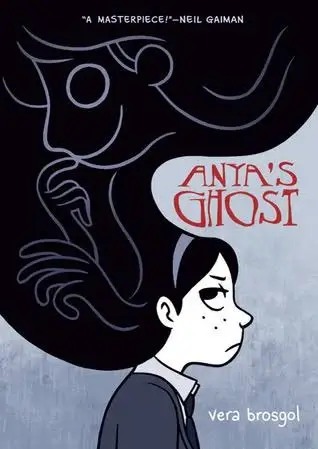
a tight, funny, slightly spooky story about a girl who befriends a ghost in an old well. Great pacing, simple art style, easy to finish in one sitting.
New Kid by Jerry Craft
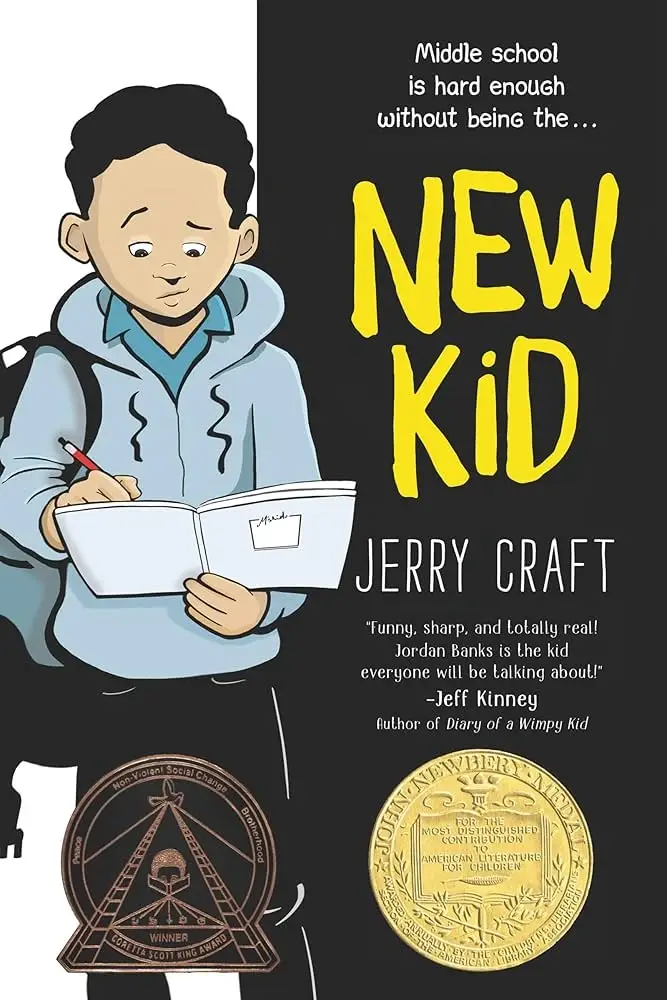
the first graphic novel to win the Newbery Medal, following a Black teenager navigating a mostly white private school. Warm, funny, and never preachy.
Nimona by ND Stevenson
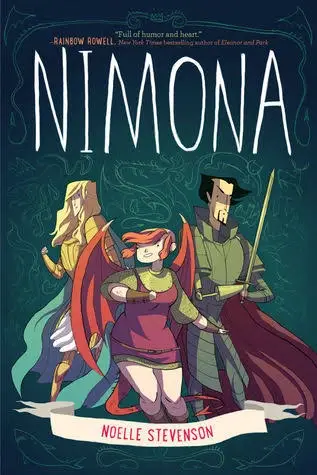
a shapeshifting sidekick and a reluctant supervillain team up in a story that is part fantasy adventure, part sharp commentary on heroism and identity.
Starting with shorter, single-volume titles like these builds confidence before tackling longer series or denser adult work. Anyone compiling their own list of ya books for beginners should resist the urge to start with a ten-volume series, no matter how popular it is online. A finished book builds momentum. An abandoned volume one does not.
A Quick Note on Manga
Manga is technically its own publishing tradition rather than a subgenre of the Western graphic novel, but the two overlap constantly on bookstore shelves and in reader habits. Series like Toilet-Bound Hanako-kun, Aria of the Beech Forest, and countless shonen and shojo titles are enormously popular with teen readers and function as a real gateway into visual storytelling. A reader who devours manga is already primed to enjoy Western YA graphic novels, and the reverse is just as true. Treating them as separate camps rather than two branches of the same reading habit tends to shrink a to-be-read pile unnecessarily.
The Ultimate YA Graphic Novels List
This is the heart of it: a curated ya graphic novels list built for range. It spans fantasy, contemporary drama, romance, mystery, and memoir, so there is an entry point no matter what kind of reader picks this up. Every title below has been read start to finish, not pulled from a press release.
Fantasy and Adventure
Bone by Jeff Smith
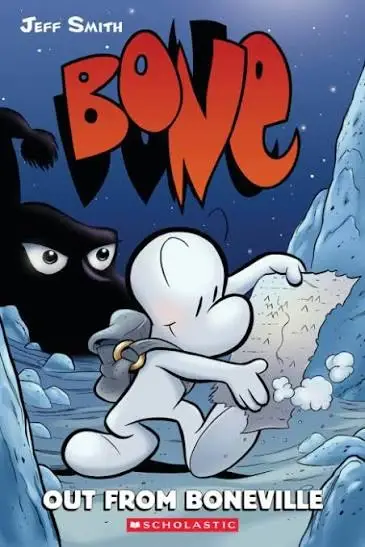
A sprawling, Eisner Award-winning epic about three cousins exiled from their home who stumble into a valley full of dragons, rat creatures, and an ancient evil. It reads like a mash-up of Tolkien and a classic newspaper comic strip, and it holds up decades later.
Amulet by Kazu Kibuishi
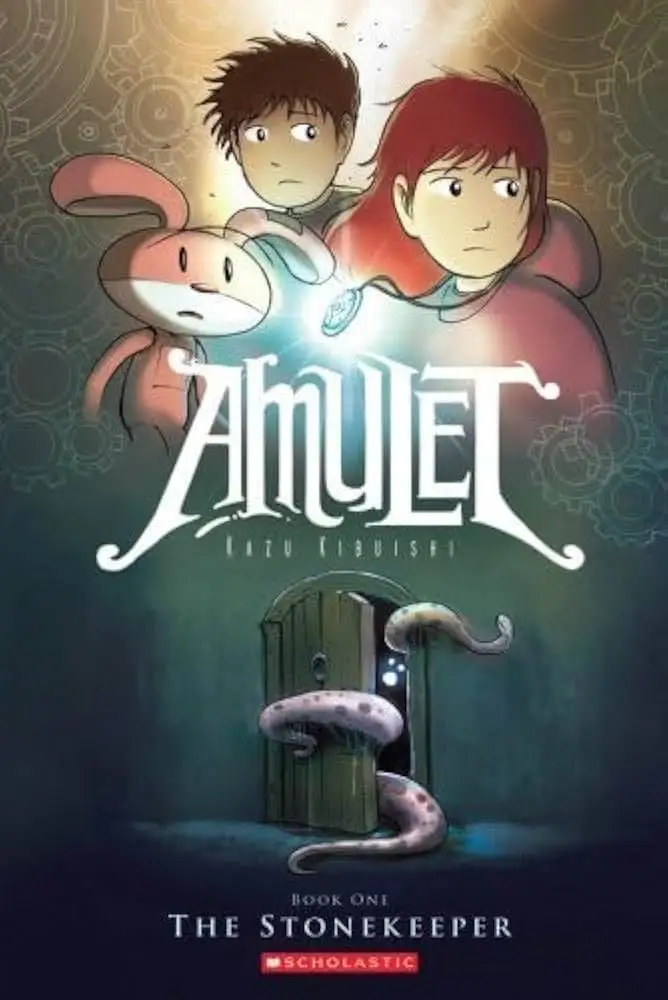
Siblings discover a magical amulet that pulls them into a hidden world after a family tragedy. The world-building is gorgeous, and the series has grown a devoted following over its many volumes.
The Dragonet Prophecy (Wings of Fire graphic novel)
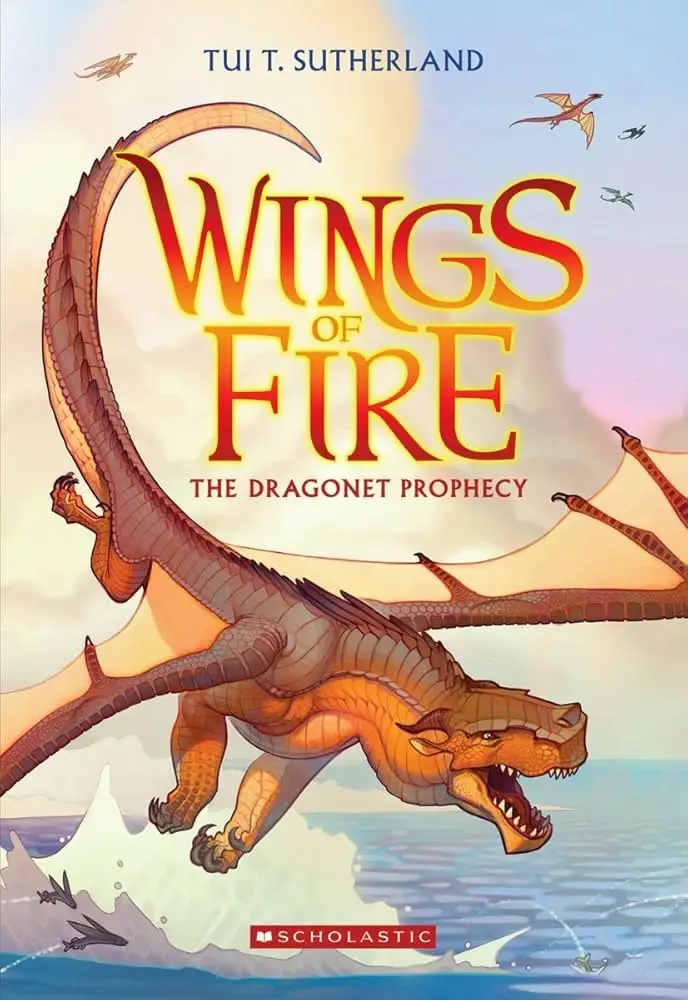
Tui T. Sutherland’s massively popular Wings of Fire series gets a full-color adaptation following young dragons destined to end a war they never chose to fight in.
Contemporary and Coming-of-Age
American Born Chinese by Gene Luen Yang
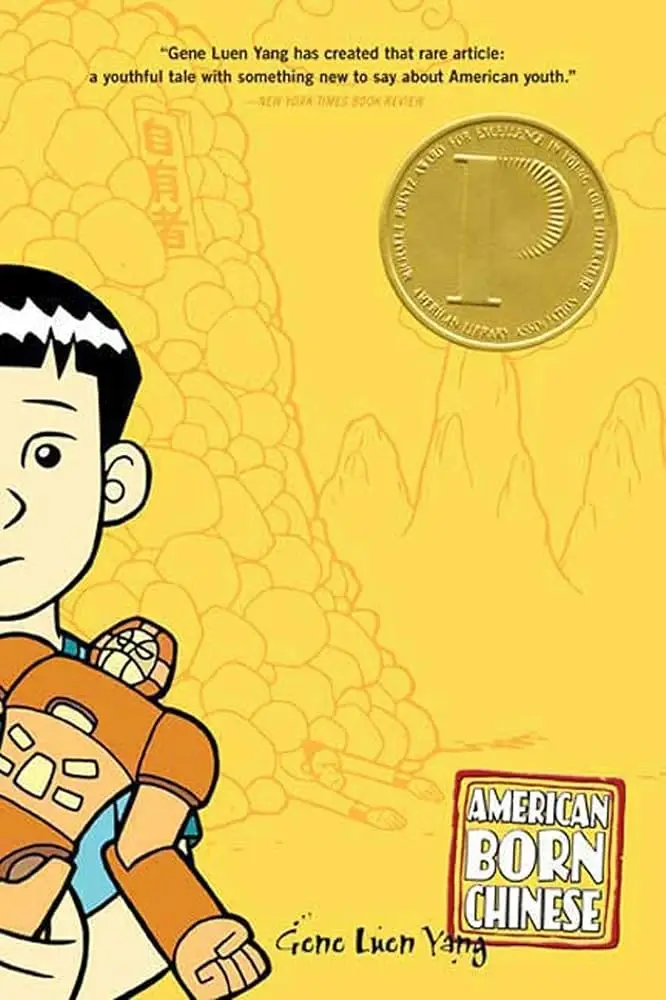
Three interwoven stories, including one drawn from Chinese folklore, collide to explore identity, assimilation, and self-acceptance. It won the Printz Award and remains one of the most taught graphic novels in American classrooms.
This One Summer by Mariko and Jillian Tamaki
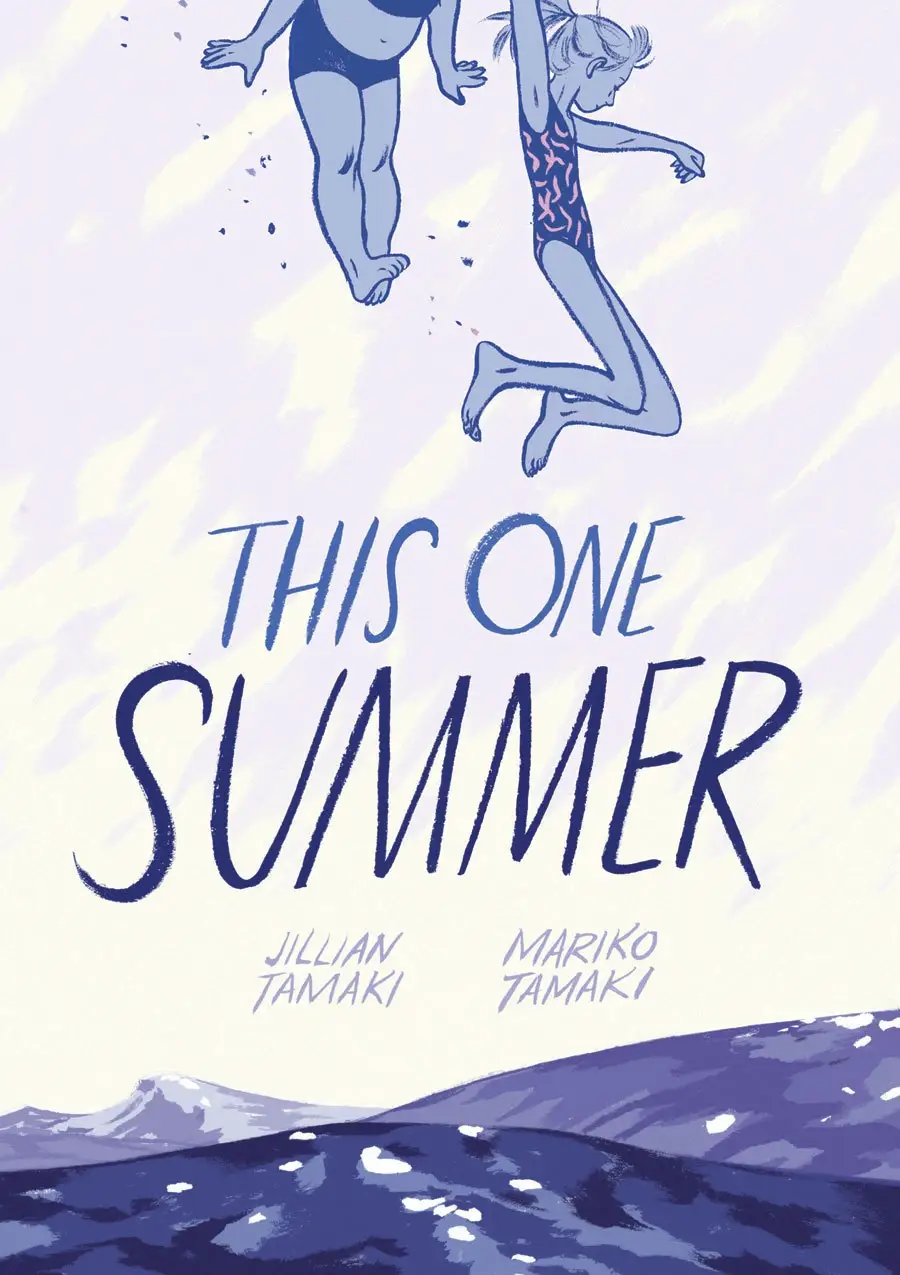
A quiet, aching story about a girl watching her parents’ marriage strain during a family lake vacation, while she navigates her own first brushes with growing up. The watercolor-blue art is unforgettable.
Weirdo by Tony Weaver Jr.
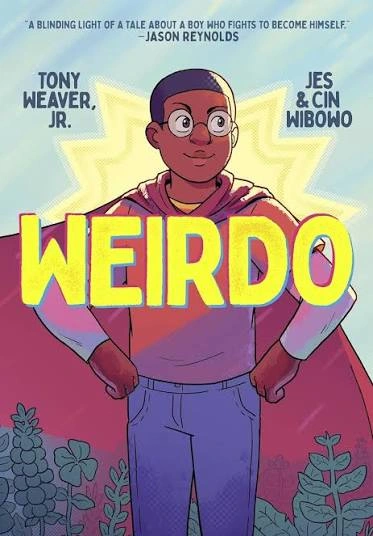
A memoir-style story about a bullied, anime-loving kid finding his way back to self-acceptance. Honest and specific in a way that avoids every after-school-special cliché.
Homebody by Theo Parish
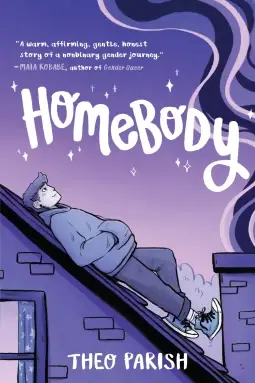
A tender story about a transgender teen’s journey toward feeling at home in their own body and their own life.
Romance
Heartstopper by Alice Oseman
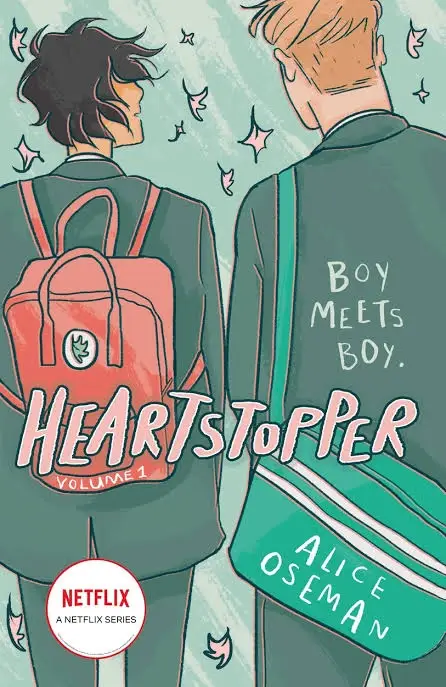
The series that turned an entire generation of readers into graphic novel fans. Charlie and Nick’s slow-burn romance is drawn with warmth, humor, and real emotional honesty about anxiety, identity, and first love.
We Could Be Magic by Marissa Meyer and Joelle Murray
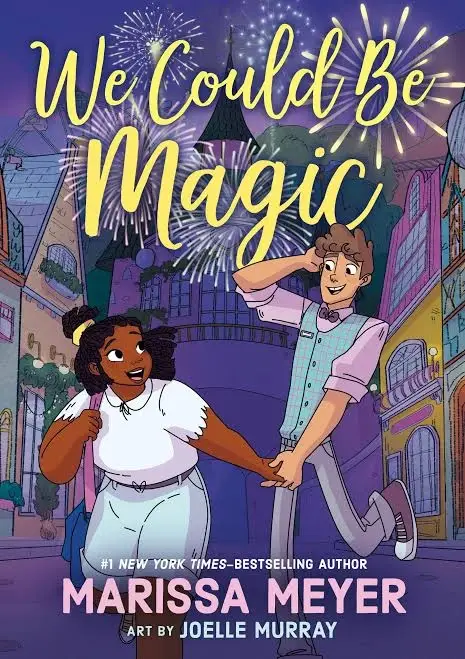
Tabitha takes a summer job at a fantasy theme park expecting sparkle and magic, and instead learns some harder truths about what “magic” actually costs.
You and Me on Repeat by Mary Shyne
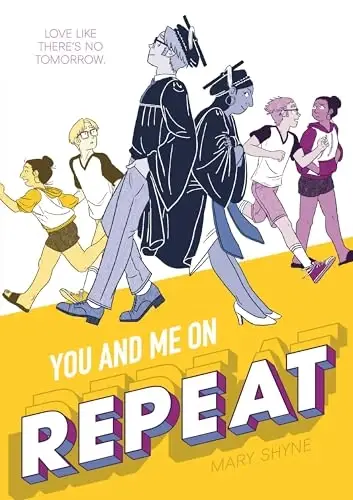
A time-loop romance with real emotional stakes underneath its high-concept hook, for readers who like their love stories with a puzzle attached.
Mystery and Horror
Speak of the Devil by Sweeney Boo
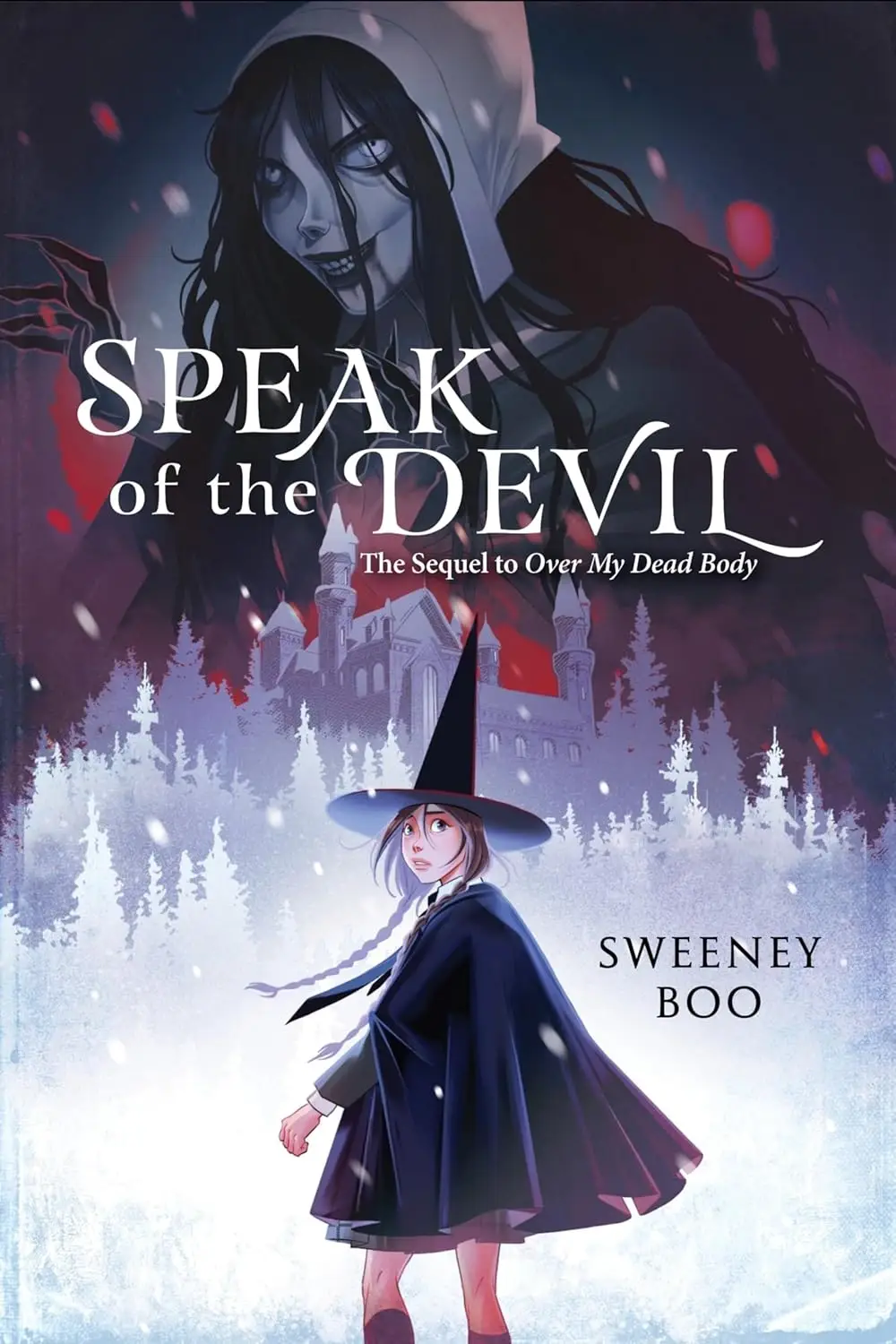
A moody, character-driven mystery with striking art that leans into shadow and suggestion rather than jump scares.
Toilet-Bound Hanako-kun
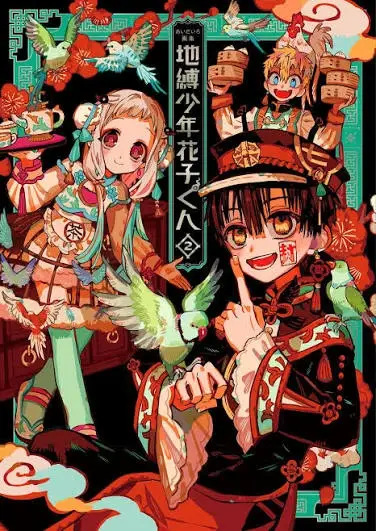
A manga series blending horror, comedy, and school-set mystery around a ghost who haunts a bathroom stall and grants wishes at a steep price.
Memoir and Nonfiction
March (Trilogy) by John Lewis, Andrew Aydin, and Nate Powell
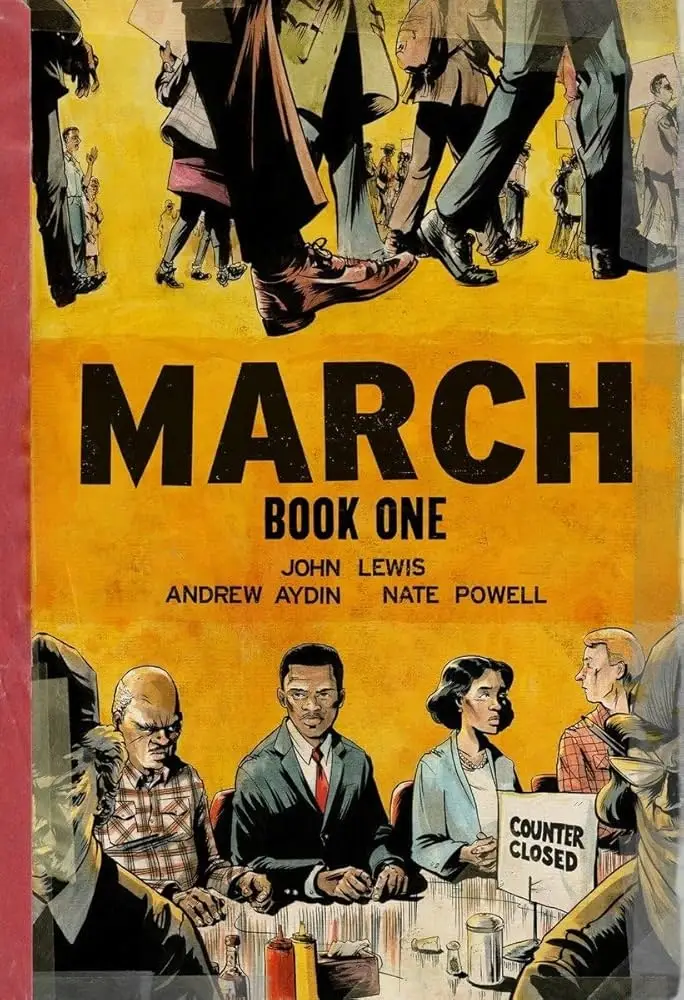
Congressman John Lewis’s firsthand account of the American civil rights movement, told with unflinching honesty and stunning black-and-white artwork. Essential reading, not just recommended reading.
Continental Drifter by Kathy MacLeod
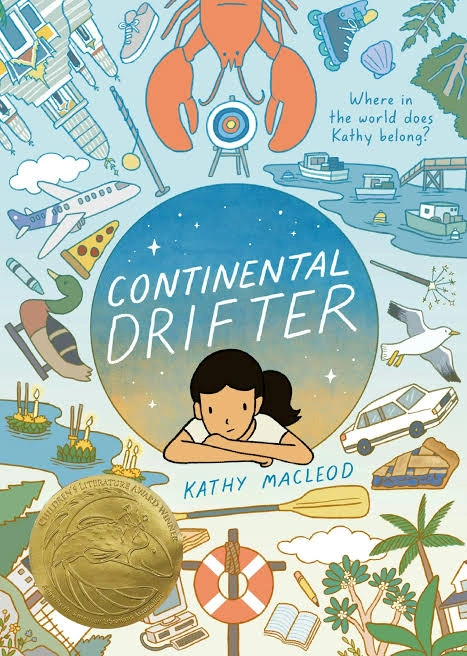
A memoir about growing up between American and Thai identities, and searching for a sense of belonging during one pivotal summer.
Halfway There: A Graphic Memoir of Self-Discovery by Christine Mari
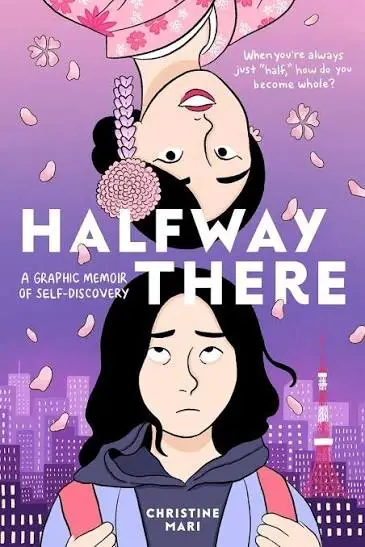
A Japanese American teen navigates feeling caught between two cultures, in a memoir that is specific enough to feel universal.
Breadcrumbs: Coming of Age in Post-Soviet Poland by Kasia Babis
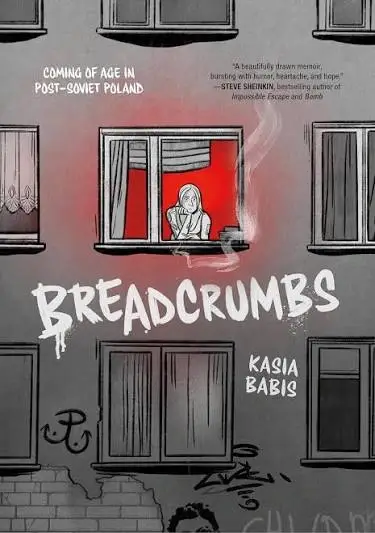
A coming-of-age memoir set against the backdrop of a country in transition, following a young girl navigating family, identity, and change.
Signs a Reader Is Ready to Move Into Adult Graphic Novels
There is no strict age cutoff, but a few signs tend to show up when a reader is outgrowing the YA shelf. They start wanting protagonists who are navigating careers and relationships rather than first crushes and high school politics. They get curious about the history behind a memoir rather than just the emotional arc. And they start asking for recommendations that do not shy away from violence, grief, or moral ambiguity. None of that makes YA “lesser.” It just means the reader’s appetite has grown, and the format is flexible enough to grow with them.
Graphic Novel Books for Adults: Where the Genre Grows Up
Plenty of readers age out of the YA shelf but never age out of the format itself, which is exactly why the market for graphic novel books for adults has grown so fast. These titles trade coming-of-age stakes for more complex, often darker territory, and they are frequently the books that convince skeptical adult readers to take the medium seriously in the first place.
Watchmen by Alan Moore and Dave Gibbons
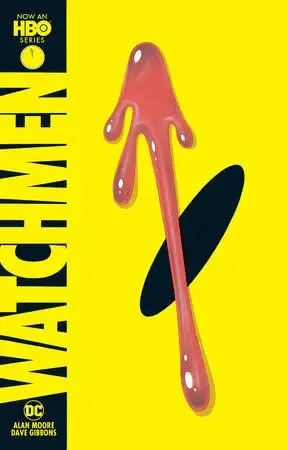
The graphic novel that changed how the literary world talked about comics altogether. A deconstruction of the superhero genre wrapped around a murder mystery and a meditation on power, paranoia, and moral compromise.
Maus by Art Spiegelman
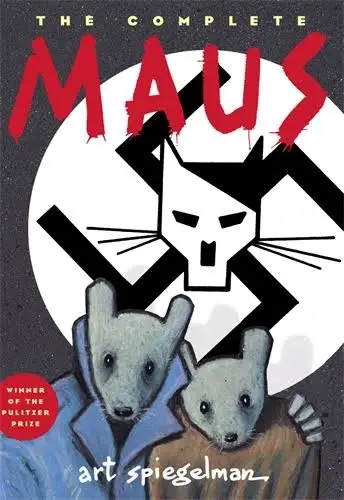
A Pulitzer Prize-winning account of the author’s father surviving the Holocaust, told with Jews depicted as mice and Nazis as cats. It remains one of the most devastating and important works in the entire medium.
Fun Home by Alison Bechdel
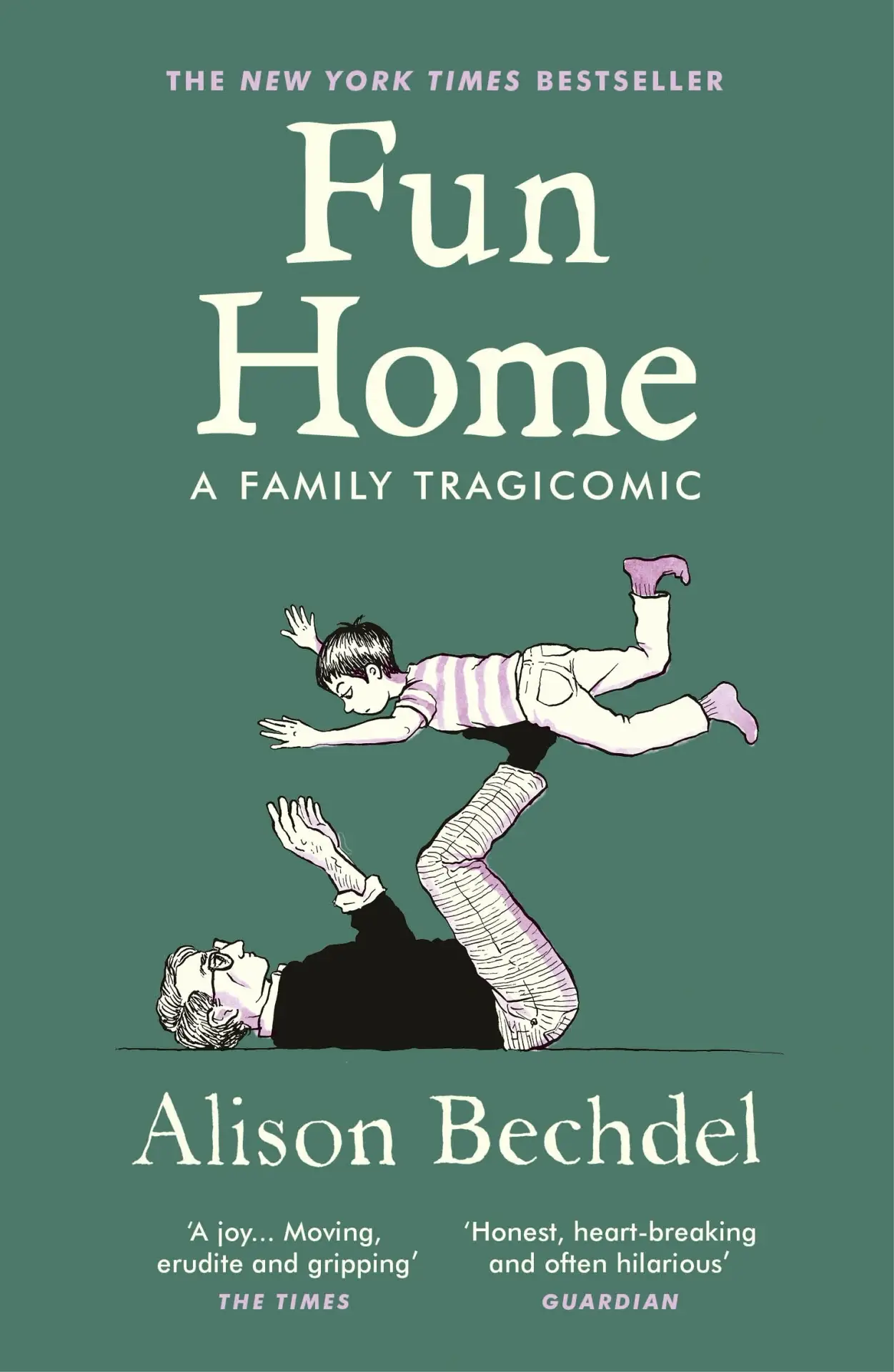
A memoir about the author’s relationship with her closeted father, told with literary density and emotional precision that rewards multiple readings.
Saga by Brian K. Vaughan and Fiona Staples
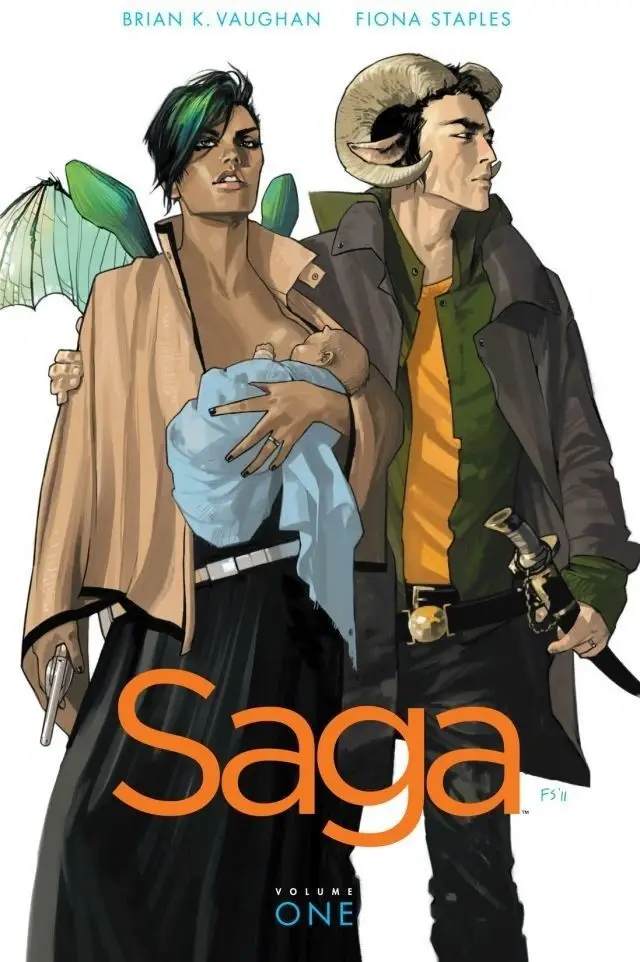
A sprawling, R-rated space opera about two soldiers from opposite sides of a galactic war who fall in love and try to protect their newborn daughter. Wildly inventive and unapologetically adult in its themes.
The Sandman by Neil Gaiman
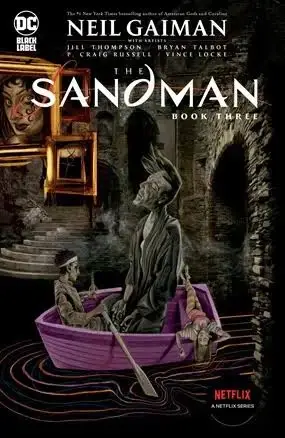
A genre-defying series following Dream, one of the seven Endless, across mythology, history, and nightmare logic. Dense, literary, and hugely influential on everything that came after it.
Persepolis by Marjane Satrapi
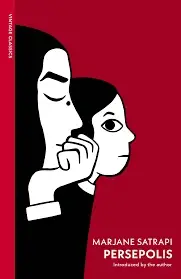
A memoir of growing up during and after the Islamic Revolution in Iran, drawn in stark black and white. It is frequently taught alongside YA titles for its accessibility, even though its themes are squarely adult.
Ghost World by Daniel Clowes
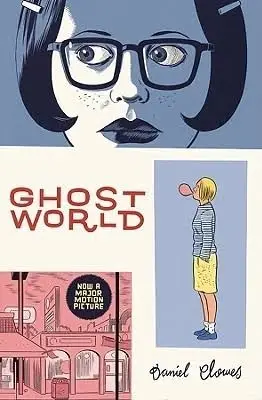
A sharp, deadpan portrait of two teenage best friends drifting apart after high school, capturing a very specific flavor of post-graduation malaise.
Breadcrumbs and Halfway There, both mentioned above, also sit comfortably on adult shelves thanks to their literary memoir style, proving how porous the line between YA and adult graphic novels has become.
How to Build Your Own YA Graphic Novels Reading List
A few practical habits make it much easier to keep discovering great titles instead of running dry after the obvious picks:
- Start with format, not genre. Decide whether a single standalone volume or an ongoing series fits the mood first, then narrow by genre.
- Follow illustrators, not just authors. A great illustrator can elevate a mediocre script, and tracking their other work often leads to hidden gems.
- Check awards lists yearly. The YALSA Great Graphic Novels for Teens list and the Eisner Awards are reliable, curated starting points that filter out a lot of noise.
- Branch sideways into adjacent genres. A reader who loves the emotional pacing of YA graphic novels might also enjoy YA prose that shares similar themes. For readers drawn to the historical memoirs above, this guide to historical fiction books is a natural next stop. Readers who gravitated toward the time-loop romance mentioned earlier might also enjoy this roundup of the best YA time travel books.
- Revisit the beginner picks periodically. Even experienced readers benefit from returning to shorter, tighter books between longer series commitments.
- Read the letter columns and creator notes when they exist. Many volumes include a short note from the writer or artist explaining a creative choice, and that context often changes how the next book in a series gets read.
- Support a local library or independent bookstore’s graphic novel section. Staff picks in this genre tend to be curated by people who read widely across both YA and adult titles, and their recommendations often surface books that never trend on social media but deserve to.
Frequently Asked Questions
What is the difference between a graphic novel and a comic book? A comic book is typically a single, serialized issue released periodically, while a graphic novel is a complete, self-contained story published as one bound volume, similar to a traditional novel.
Are YA graphic novels only for teenagers? No. While they are written and marketed with teen readers in mind, a large share of their audience is adults, and many titles on this list are read and recommended by adult book clubs.
What age range is appropriate for YA graphic novels? Most publishers target readers aged 12 to 18, though content varies title by title. Parents and educators should check individual content warnings, especially for memoirs dealing with heavier subject matter.
Where is the best place to start if someone has never read a graphic novel before? Short, single-volume titles work best. Anya’s Ghost, New Kid, and Nimona are all excellent, low-commitment starting points that showcase what the format can do without requiring a series commitment.
Do graphic novel adaptations of YA novels follow the original story closely? Generally yes, though illustrators and adapting writers often make trims for pacing and add visual details that were only implied in the original prose. Comparing the two versions of a favorite novel can be a rewarding exercise in itself.
Are graphic novels considered “real” reading? Absolutely. Reading comprehension research consistently shows that graphic novels require readers to synthesize visual and textual information simultaneously, which is a genuinely complex literacy skill, not a shortcut.
How can someone find good books for YA readers beyond this list? Award lists are the most reliable filter. The YALSA Great Graphic Novels for Teens list, the Eisner Awards, and the Printz Award all highlight titles that have been vetted by librarians, educators, and industry professionals rather than algorithm-driven trends.
Is it worth buying a graphic novel or borrowing it from the library first? Borrowing first is usually the smarter move for an unfamiliar series, since art style is such a personal preference. Once a reader confirms they love an artist’s style and a series’ pacing, buying becomes a much safer bet, especially for longer series that are worth rereading.
A Final Thought
There is a specific kind of reader this guide was written for: the one who has been told, at some point, that graphic novels do not really count. They do. A story that can make a grief-stricken page land harder than three chapters of prose, or turn a single elevator ride into one of the most talked-about YA books of the last decade, has nothing left to prove. The best way to test that claim is not to keep reading about it. It is to pick one title from this list, start today, and see where the panels take things.
Leave a Reply